
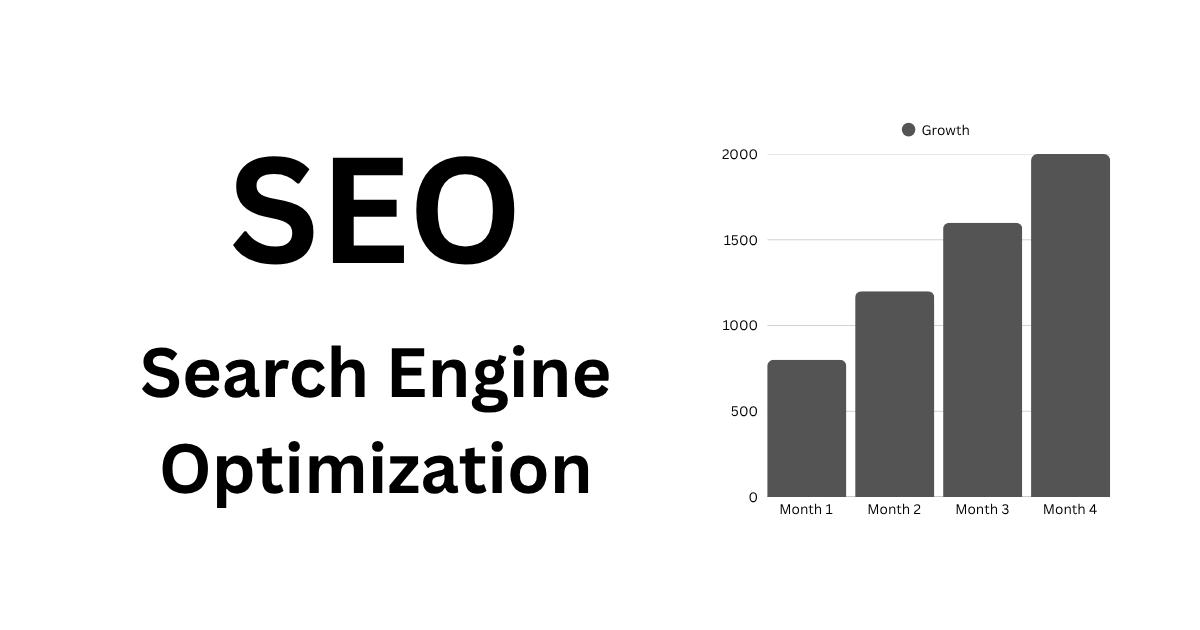
In my digital marketing agency WebTrendSEO, I’ve seen businesses go from invisible to industry leaders — all because they finally understood SEO.
SEO is one of the most important skills in digital marketing because it helps websites appear on Google when people search for information, products, or services. This SEO guide is written for beginners who want a clear and simple explanation of what SEO means, how SEO works, and how to do SEO for a website without getting confused by technical language.
Whether you are a student, business owner, blogger, freelancer, or beginner marketer, learning SEO basics can help you understand how websites get traffic from search engines. The good news is that SEO is not magic. It is a step-by-step process of making your website useful for people and easy for search engines to understand.
Quick Summary: What Is SEO?
SEO means Search Engine Optimization. It is the process of improving a website so Google and other search engines can understand it, index it, and rank it higher for relevant searches.
For beginners, SEO includes five main areas: keyword research, on-page SEO, technical SEO, content SEO, and off-page SEO.
In simple words, SEO is not about tricking Google. It is about making your website helpful for people and easy for search engines to understand.
What Is SEO?
SEO stands for Search Engine Optimization. In simple words, SEO is the process of improving a website so it can appear higher in search engine results like Google, Bing, and Yahoo.
When someone searches for “best shoes for running,” “SEO course near me,” or “how to start a blog,” search engines show a list of websites. SEO helps your website become one of those results.
A simple SEO definition is this:
SEO is the practice of improving your website content, structure, speed, authority, and user experience so search engines can understand it and rank it for relevant searches.
Google’s official SEO Starter Guide explains SEO as helping search engines understand your content and helping users find your site through search engines.
SEO Full Form and SEO Meaning
The full form of SEO is Search Engine Optimization.
Search means users are looking for something.
Engine means the platform that finds and organizes information, such as Google.
Optimization means improving something to make it better.
So, the SEO meaning is simple: improving your website so search engines can find it, understand it, and show it to the right people.
SEO abbreviation is commonly used in digital marketing, blogging, e-commerce, local business marketing, and online branding. When someone says “an SEO,” they may mean an SEO expert, SEO professional, or SEO specialist who works on improving website rankings.
What Is SEO in Digital Marketing?
SEO in digital marketing is the method of getting organic traffic from search engines. Organic traffic means visitors who come to your website without paid ads.
For example, if you run a website selling laptops and someone searches “best budget laptop for students,” your product page or blog post can appear in Google results. If the user clicks your website, that visit is organic traffic.
SEO is different from paid ads. In ads, you pay for every click or campaign. In SEO, you invest in content, website improvements, and authority building so your pages can rank naturally over time.
SEO is important in digital marketing because it supports long-term visibility. A good SEO strategy can bring visitors again and again, even when you are not actively paying for ads.
SEO Meaning in Urdu
SEO meaning in Urdu is:
Search Engine Optimization ka matlab hai website ko is tarah improve karna ke Google aur doosray search engines us website ko behtar samajh saken aur relevant searches par upar show kar saken.
In simple Urdu:
SEO ka kaam website ko Google par rank karwana hota hai taake log search karke aapki website tak pohanch saken.
For example, agar aapki website par “digital marketing course” ka page hai, to SEO ki madad se woh page Google par un logon ko nazar aa sakta hai jo digital marketing seekhna chahte hain.
How Search Engines Work
To understand how SEO optimization works, you first need to understand how search engines work.
Search engines work in three main stages: crawling, indexing, and ranking.
Crawling means search engines use bots, also called crawlers or spiders, to discover web pages. These bots move from one page to another through links.
Indexing means the search engine stores and organizes the information it finds. If your page is indexed, it can appear in search results.
Ranking means the search engine decides which pages should appear first, second, third, and so on for a specific search query.
Google explains that its search engine is fully automated and uses web crawlers to explore the web regularly, with most listed pages found automatically through crawling.
How SEO Works
SEO works by improving different parts of a website so search engines can trust it and users can benefit from it.
A search engine wants to show the best possible result for a user’s search. If someone searches “how to do SEO for website,” Google wants to show a page that clearly explains the steps, gives useful examples, and provides a good reading experience.
SEO works when your website gives search engines the right signals. These signals include relevant content, clear headings, fast loading speed, mobile-friendly design, internal links, backlinks, proper page titles, and helpful user experience.
Good SEO is not about tricking Google. It is about making your website genuinely better.
Why SEO Is Important
SEO is important because most people use search engines before making decisions. They search before buying, learning, visiting, comparing, or contacting a business.
If your website does not appear in search results, your audience may find your competitors instead.
SEO helps your website get more visibility. It brings targeted visitors who are already interested in your topic, service, or product.
SEO also builds trust. Many users trust organic results more than ads because they feel search engines are showing the most relevant pages.
Another benefit of SEO is long-term growth. A well-optimized page can bring traffic for months or years if it remains helpful, updated, and competitive.
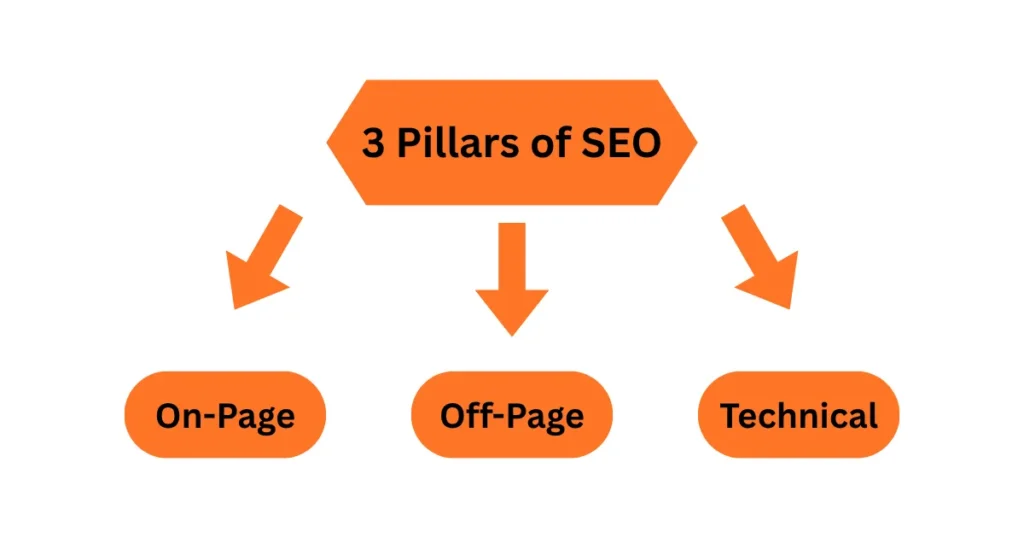
Main Types of SEO
SEO is not one single task. It includes different areas that work together.
On-Page SEO
On-page SEO means optimizing the visible content and HTML elements of a page.
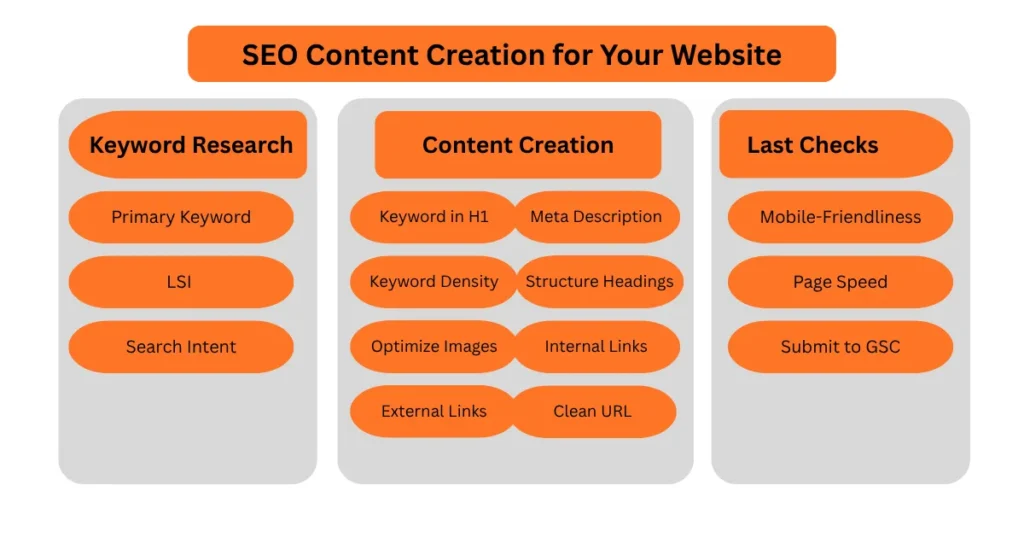
This includes title tags, meta descriptions, headings, images, URLs, internal links, keyword usage, content quality, and readability.
For example, if your blog is about “SEO for beginners,” your title, H1, introduction, headings, and content should clearly explain that topic. The page should answer the searcher’s questions better than competing pages.
Technical SEO
Technical SEO focuses on the technical health of a website.
This includes website speed, mobile-friendliness, crawlability, indexing, XML sitemap, robots.txt, canonical tags, redirects, broken links, HTTPS, structured data, and Core Web Vitals.
Technical SEO helps search engines access and understand your website properly. Even the best content can struggle if the website has major technical problems.
Off-Page SEO
Off-page SEO refers to activities outside your website that help improve authority and trust.
The most common part of off-page SEO is backlink building. A backlink is a link from another website to your website.
If trustworthy websites link to your content, search engines may see your website as more reliable. But quality matters more than quantity. A few strong and relevant backlinks are better than hundreds of spammy links.
Local SEO
Local SEO helps businesses appear in location-based searches.
For example, searches like “dentist near me,” “SEO agency in Lahore,” or “best restaurant in Toronto” are local searches.
Local SEO includes optimizing your Google Business Profile, getting reviews, adding accurate business information, using local keywords, and building local citations.
Content SEO
Content SEO focuses on creating useful content that matches search intent.
This includes blog posts, guides, landing pages, service pages, product descriptions, FAQs, and tutorials.
Good content SEO answers user questions clearly. It uses keywords naturally, covers related topics, and provides real value.
Basic SEO Steps for Beginners
If you are new to SEO, you do not need to start with advanced tools or complex strategies. Start with the basic SEO steps that matter most.
Understand Your Audience
Before doing SEO, understand who you are writing for.
Ask yourself what your audience wants to learn, what problems they have, what words they use, and what type of content they expect.
For this article, the audience is beginners between age 15 and 45, with an 8th-standard reading level. That means the content should be simple, clear, and easy to follow.
Find the Right Keywords
Keywords are the words and phrases people type into search engines.
Examples include “what is SEO,” “SEO meaning,” “SEO full form,” “how SEO works,” and “SEO tips.”
Keyword research helps you understand what people are searching for. Once you know the keywords, you can create content that answers those searches.
But keyword stuffing is a mistake. Do not repeat the same keyword again and again unnaturally. Use the main keyword naturally and include related terms where they make sense.
Create Helpful Content
Helpful content is the heart of SEO.
Your content should answer the user’s question better than other pages. It should be clear, accurate, complete, and easy to understand.
For example, a beginner searching “what is SEO” does not need a complicated explanation of algorithms. They need a simple definition, examples, steps, and practical tips.
Google’s Search Central documentation says its SEO Starter Guide is meant to help search engines crawl, index, and understand content.
Optimize Titles and Meta Descriptions
The SEO title is the title that appears in search results. It should include the main keyword and encourage users to click.
A good title for this topic could be:
What Is SEO? Beginner’s SEO Guide
The meta description is a short summary of the page. It does not directly guarantee ranking, but it can improve clicks if written well.
A good meta description should be clear, useful, and under 155 characters.
Improve Website Structure
Website structure means how your pages are organized.
A good website structure helps users and search engines move through your site easily. Important pages should not be hidden deep inside the website.
For example, a digital marketing website may have pages for SEO services, local SEO, technical SEO, WordPress SEO, blog, case studies, and contact.
Each page should have a clear purpose.
Build Internal Links
Internal links are links from one page of your website to another page on the same website.
For example, in an SEO guide, you can link to pages about keyword research, on-page SEO, technical SEO, and local SEO.
Internal linking helps users explore more content. It also helps search engines understand which pages are important and how topics connect.
Improve Speed and Mobile Experience
Most users browse websites on mobile phones. If your website is slow or difficult to use on mobile, people may leave quickly.
A fast and mobile-friendly website improves user experience and can support better SEO performance.
Basic speed improvements include compressing images, using lightweight themes, reducing unnecessary scripts, enabling caching, and choosing good hosting.
Track Results
SEO is not complete after publishing one page.
You need to track results using tools such as Google Search Console and Google Analytics.
Google Search Console helps you measure search traffic, see queries, check indexing, and fix search-related issues.
Tracking helps you understand what is working and what needs improvement.
What Is SERP in SEO?
SERP stands for Search Engine Results Page.
A SERP is the page you see after typing something into Google. It can include organic results, ads, featured snippets, People Also Ask boxes, videos, images, maps, shopping results, and AI-generated search features.
SERP SEO means optimizing your content so it can appear in different parts of the search results.
For example, if your content answers a question clearly, it may have a chance to appear in a featured snippet or FAQ result.
To improve SERP visibility, use clear definitions, short answer paragraphs, helpful headings, FAQs, schema markup, and strong page titles.
SEO Strategy for Beginners
An SEO strategy is a plan for improving website visibility over time.
A beginner SEO strategy should be simple and focused.
Start by choosing one main topic for your website. For example, if your website is about digital marketing, your main topics may include SEO, social media marketing, content marketing, Google Ads, and website optimization.
Then create important pages for each topic. After that, publish helpful blog posts that answer common questions.
For example, under the SEO topic, you can create articles like “What Is SEO?”, “How to Do Keyword Research,” “On-Page SEO Checklist,” “Technical SEO Basics,” and “Local SEO Guide.”
This creates topical authority. When your website covers a topic deeply, search engines can better understand your expertise.
Common SEO Mistakes to Avoid
Many beginners make SEO harder than it needs to be.
One common mistake is writing only for search engines and forgetting the reader. This leads to robotic content, keyword stuffing, and poor engagement.
Another mistake is targeting keywords without understanding search intent. If someone searches “what is SEO,” they want information, not a sales page.
A third mistake is ignoring technical SEO. If your page is not indexed, loads slowly, or has broken links, your content may not perform well.
Many beginners also copy competitor content. This is risky because copied or thin content does not build trust. Your content should add original examples, better explanations, and real experience.
Another mistake is expecting instant results. SEO takes time. Some pages may improve in weeks, while competitive topics may take months.
Simple SEO Tips for Better Results
Write for humans first and search engines second. If users enjoy your content, stay longer, and find answers, your page has a better chance to perform.
Use your main keyword in important places such as the title, H1, first paragraph, URL, and some headings. But keep it natural.
Answer the main question early. For example, if the article is about “what is SEO,” define SEO near the beginning.
Use short paragraphs. Long blocks of text are hard to read, especially on mobile.
Add examples. Examples make SEO easier to understand.
Update old content. SEO changes over time, and old pages may need fresh information.
Build topic clusters. Connect related pages with internal links.
Improve page experience. A clean design, fast speed, and simple layout can help users stay engaged.
Customized SEO
Customized SEO means creating an SEO plan based on the specific website, audience, industry, and goals.
Not every website needs the same SEO strategy.
A local clinic may need Google Business Profile optimization and local landing pages.
An e-commerce store may need product SEO, category SEO, technical SEO, and schema markup.
A blog may need keyword research, content clusters, internal linking, and authority building.
A personal brand website may need entity SEO, author pages, social profiles, structured data, and consistent brand signals.
Customized SEO works better because it focuses on what the website actually needs instead of using the same checklist for every project.
Google SEO and Google Official SEO Guide
Google SEO means optimizing your website according to best practices that help Google understand and display your content.
The Google official SEO guide focuses on making content easy for search engines to crawl, index, and understand while also helping users find useful pages.
Google also explains that Search works through crawling, indexing, and serving search results. Understanding these steps helps beginners understand why SEO includes technical setup, content quality, and user experience.
A smart SEO approach follows Google’s direction: create helpful content, make your website accessible, use clear structure, and avoid manipulative tactics.
Final Thoughts
SEO is the process of improving your website so search engines can understand it and users can find it. For beginners, the best way to learn SEO is to focus on the basics first: understand your audience, choose the right keywords, create helpful content, optimize your pages, improve technical health, build internal links, and track results.
You do not need to master everything in one day. Start with one page, improve it step by step, and keep learning from your results. A strong SEO strategy is built through consistency, clarity, and useful content. When done correctly, SEO can help your website grow, attract the right visitors, and build long-term online visibility.
FAQ Section
What is SEO?
SEO stands for Search Engine Optimization. It is the process of improving a website so it can appear higher in search engine results and attract organic traffic.
What is the full form of SEO?
The full form of SEO is Search Engine Optimization.
What is SEO in digital marketing?
SEO in digital marketing is the practice of getting traffic from search engines without paid ads. It helps websites reach people who are already searching for related topics, services, or products.
How does SEO work?
SEO works by helping search engines crawl, index, understand, and rank your website. It includes content optimization, technical improvements, internal linking, backlinks, and better user experience.
What is SEO meaning in Urdu?
SEO ka matlab hai website ko is tarah optimize karna ke Google aur doosray search engines usay samajh saken aur relevant searches par upar show kar saken.
How do I do SEO for a website?
Start with keyword research, create helpful content, optimize titles and headings, improve website speed, add internal links, fix technical issues, and track results in Google Search Console.
What is SERP in SEO?
SERP means Search Engine Results Page. It is the page shown by Google or another search engine after a user searches for something.
Is SEO free?
SEO traffic is organic, so you do not pay for each click like ads. However, SEO may require time, tools, content creation, technical work, and expert support.
How long does SEO take?
SEO usually takes time. Some improvements may appear in weeks, but competitive keywords often take months of consistent work.
Is SEO good for beginners?
Yes. SEO is a valuable skill for students, bloggers, business owners, freelancers, and digital marketers. Beginners should start with SEO basics before moving to advanced strategies.

Links will be automatically removed from comments.